
PFC : Energy Conservation Projects

By Rajeev Ranjan Jha | Director (Projects) | Power Finance Corporation Limited
Background
India has made significant strides in shifting its power mix toward cleaner energy, achieving its NDC target of 40% non-fossil fuel capacity well before 2030 and now advancing toward 50%. However, the rapid rise of variable renewable energy (VRE) like solar and wind brings challenges of intermittency, grid balancing, and storage management.
As per the National Electricity Plan 2023, electricity demand is projected to reach ~1,874 BU by 2026–27 and ~2,540 BU by 2031–32. Meeting this demand sustainably requires renewable capacity expansion alongside strong energy conservation and efficiency measures.
Energy conservation remains the most cost-effective and sustainable way to bridge the demand–supply gap. It reduces waste, lowers emissions, stabilizes the grid, and enhances energy security—complementing renewable growth and storage technologies such as Pumped Storage Projects (PSPs) and Battery Energy Storage Systems (BESS).
For a rapidly developing nation like India, efficient energy use is both an environmental imperative and an economic strategy. As the power sector evolves through renewables, storage, and digitalization, conservation ensures optimal utilization of every unit of energy—aligning with India’s NDC commitments and its goal of achieving Net Zero emissions by 2070.
Overview of Energy Conservation
Energy conservation is the efficient use of energy to minimize waste and optimize consumption across all stages of the power value chain. It combines behavioural changes and technological solutions to lower energy demand without affecting service quality.
Efficient systems and smart technologies help cut unnecessary use during high availability, while conservation measures during peak demand ease pressure on the grid and improve stability. Key strategies include:
● Behavioural measures: Reducing energy use through habits like switching off unused appliances.
● Technological measures: Using energy-efficient lighting, equipment, and systems.
● Process optimization: Enhancing efficiency in industries and infrastructure to reduce losses.
Together with renewable energy and storage solutions, energy conservation supports energy security, cost savings, and environmental sustainability.
The Energy Conservation Act, 2001: India’s Policy Framework
The Energy Conservation Act, 2001, enacted by the Government of India, forms the foundation of the nation’s efforts to promote energy efficiency and sustainable use of resources. It led to the creation of the Bureau of Energy Efficiency (BEE) in March 2002 under the Ministry of Power, tasked with implementing and monitoring energy conservation programs across sectors. Since its enactment, India’s energy intensity has declined by nearly 33% between 2005 and 2020, reflecting major efficiency gains. The Act identifies Designated Consumers (DCs)—large industries in sectors such as steel, cement, and power—mandating regular energy audits and compliance with efficiency targets under the Perform, Achieve and Trade (PAT) scheme, which has saved over 100 million tonnes of oil equivalent (MTOE) of energy cumulatively by 2023. It also introduced the Energy Conservation Building Code (ECBC) and the Standards & Labeling Programme covering more than 30 appliances, guiding consumers toward energy-efficient choices. Overall, the Act plays a pivotal role in advancing India’s Nationally Determined Contributions (NDCs) and promoting self-reliance in sustainable energy use.
The Energy Conservation (Amendment) Act, 2022, amends the Energy Conservation Act, 2001, to further promote energy conservation and efficiency. Key provisions include establishing a domestic carbon credit trading system, mandating the use of non-fossil fuel sources by designated consumers, and strengthening energy efficiency standards for buildings and vehicles.
Renewable Energy as a Driver of Conservation
Renewable energy and conservation go hand in hand. Solar, wind, and hydro sources enable cleaner and more efficient power generation, reducing dependence on fossil fuels and conventional resources.
Solar Energy: Powering a Sustainable Future
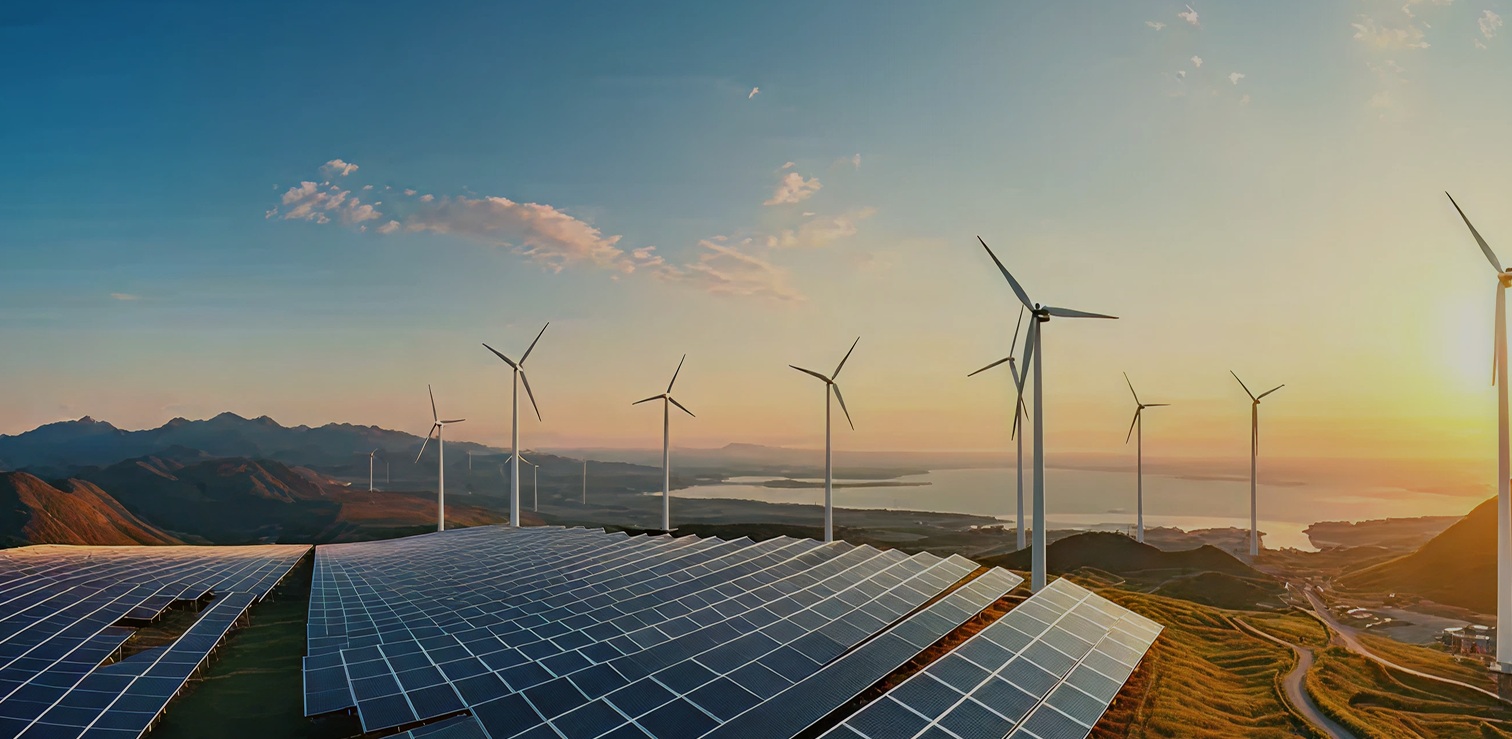
With abundant solar potential and falling technology costs, India has emerged as a global solar leader. From vast solar parks to rooftop systems, solar power conserves grid energy and promotes self-reliance. Rooftop and micro-grid solutions empower rural areas, supporting irrigation, lighting, and small enterprises while bridging the urban-rural energy gap. Low maintenance, silent operation, and long life make solar a key driver of sustainable growth.
Wind and Hydro Synergies
Wind energy complements solar by generating power during non-sunny hours, while advancements in turbine design enhance efficiency. Pumped Storage Projects (PSPs) further support conservation by storing surplus renewable energy and releasing it during peak demand, improving grid stability and minimizing wastage.
Together, solar, wind, and PSPs form the backbone of India’s clean energy and conservation-led transformation.
Government Guidelines for Energy Conservation
Recognizing the importance of energy conservation for sustainable power supply, grid stability, and emission reduction, the Government of India has introduced several progressive policies and initiatives. Energy efficiency projects are prioritized under national programs with incentives, concessional financing, and regulatory support.
The Bureau of Energy Efficiency (BEE) under the Ministry of Power drives key initiatives such as:
- Perform Achieve, and Trade (PAT) Scheme: Promotes industrial energy efficiency and allows trading of Energy Saving Certificates (ESCerts).
- Ujala Programme: Distributed over 370 million LED bulbs, saving around 48 billion kWh annually.
- Energy Conservation Building Code (ECBC): Ensures energy-efficient design standards for buildings.
- Standards and Labelling Programme: Encourages the use of energy-efficient appliances through star ratings.
- National Mission for Enhanced Energy Efficiency (NMEEE): Strengthens policies, markets, and financing for efficiency projects.
Collectively, these initiatives have led to substantial reductions in CO₂ emissions and energy costs. They highlight that energy conservation not only safeguards the environment but also drives economic efficiency.
This reinforces PFC’s role in promoting sustainable and cost-effective energy solutions across India.
Challenges and The Path Ahead
Despite notable progress, several barriers continue to hinder large-scale energy conservation and efficiency adoption across sectors:
- Financing and affordability: Upfront investment for renewable and efficient technologies can deter adoption.
- Awareness gaps: Many consumers still equate conservation with inconvenience rather than opportunity.
- Infrastructure and storage limitations: Integration of renewables requires smart grid management and flexible storage capacity.
- Technology lifecycle management: As renewable adoption increases, responsible recycling and waste handling of solar panels and batteries are becoming more pressing..
Addressing these challenges calls for a coordinated effort between the public and private sectors—through innovative financing mechanisms, supportive policies, capacity-building programs, and awareness campaigns—to ensure India’s transition toward a more sustainable and energy-efficient future.
Role of PFC
PFC has been a pioneer in financing energy efficiency projects, recognizing early the need for optimized energy use across India. Leveraging its deep expertise in power sector financing, PFC has positioned itself as a key enabler in promoting efficient energy utilization nationwide.
With the National Electricity Plan 2023 highlighting rising electricity demand, PFC is actively developing financing solutions, advisory frameworks, and incentive mechanisms to accelerate the adoption of energy efficiency technologies and demand-side management initiatives.
PFC has conducted several studies, including on Financial Viability and Investment Models for Energy Efficiency Projects, aiding government authorities in formulating effective energy efficiency policies. As a leading power sector financier, PFC has supported major efficiency and modernization projects that achieved cost savings, emission reductions, and enhanced grid stability.
As India moves toward its Net Zero 2070 target, energy conservation remains a critical pillar alongside renewable energy expansion. PFC remains committed to driving investments in energy efficiency and conservation, fostering a Brighter, Cleaner, Greener and More Sustainable Tomorrow for India.
Co-author: Madan Mohan Illa | CGM (Projects) | PFC (Shilpa Bichitra | Special Edition | 2025)
Categories
-
Agriculture & Rural Development12
-
Banking & Insurance4
-
Coal & Mines6
-
Defence & Defence Production5
-
Engineering & Technology4
-
Environment & Pollution1
-
Export & Import1
-
Housing & Urban Development2
-
Human Resources & CSR Initiatives2
-
Iron & Steel3
-
Logistic & Warehousing3
-
Micro, Small & Medium Enterprise3
-
Petroleum & Natural Gas8
-
Post & Telecommunication3
-
Power & Energy8
-
Tourism & Leisure2